
“Watch Me Die Inside” by Melancholy Nektar is not just a song, it feels like an invitation into a carefully constructed emotional descent. From the first moments, I found myself drawn into its atmosphere of quiet unease, where sorrow doesn’t erupt loudly but instead seeps in slowly, almost seductively. There’s a haunting elegance in how the track frames pain, not as something to escape, but as something to sit with.
What struck me most is how the single embodies the idea of “seductive decay.” It captures that unsettling shift where sadness stops feeling like an enemy and starts becoming a strange kind of refuge. The production and tone mirror this transformation perfectly, balancing fragility with control. It’s not chaotic despair; it’s measured, intentional, and deeply immersive. The more I listened, the more it felt like stepping into a space where emotional collapse is no longer resisted, but ritualized.
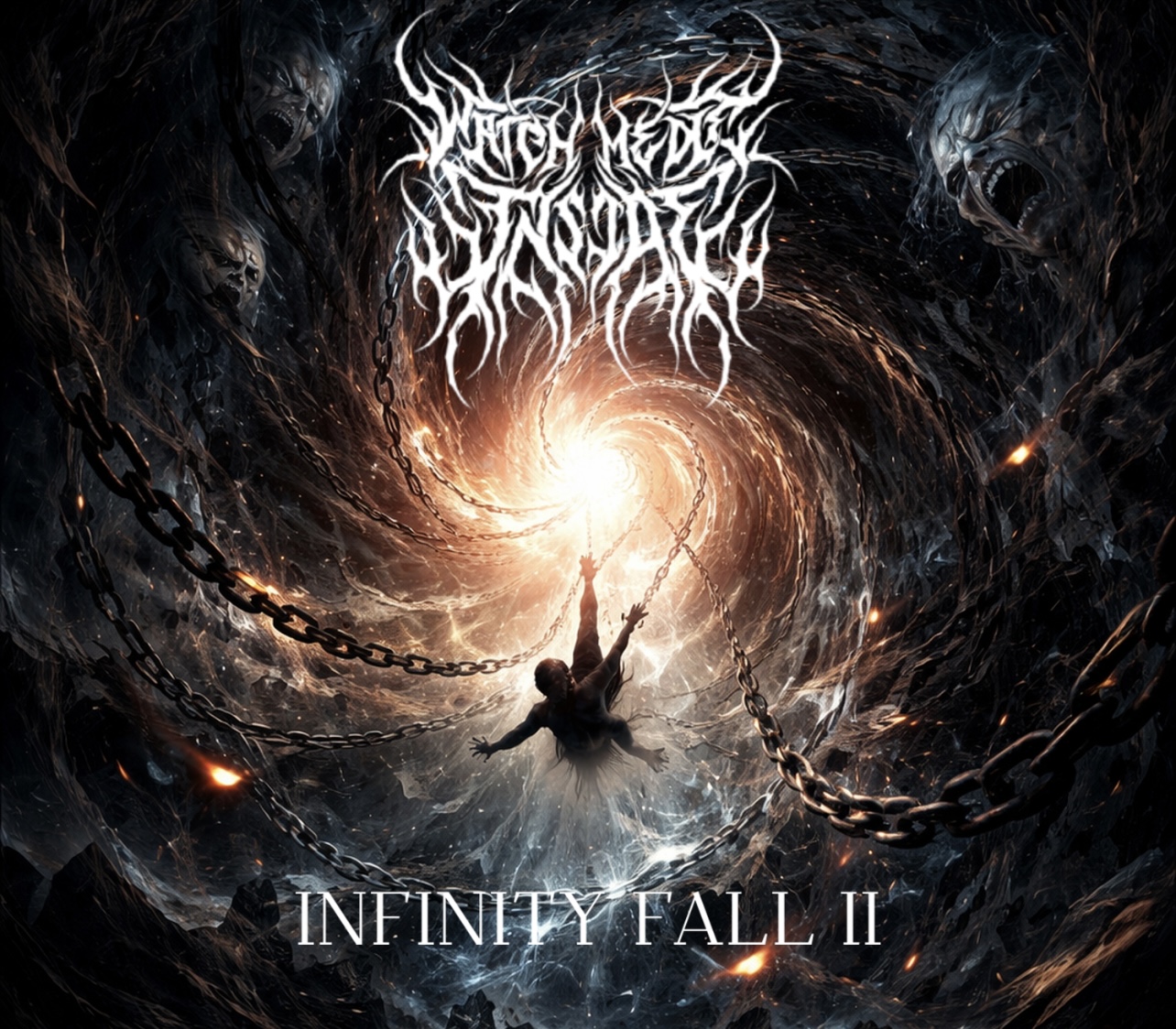
A particularly haunting passage emerges in the line, “Haunted pleasure whispers, dangerously divine. Drowning deep in vision, forbidden ecstasy. Numb with reckless anguish, bitter remedy,” capturing the essence of the track’s emotional core. It distills that blurred boundary where suffering transforms into allure, presenting anguish not as something to escape, but as something almost irresistibly consumed. This track also sits powerfully within the broader artistic universe of Aleph, where each “Fragment” contributes to a larger psychological narrative. “Watch Me Die Inside” doesn’t stand alone, it functions as a piece of an unfolding autopsy of the human condition. I appreciate how it treats listeners not as passive consumers but as witnesses, almost implicating us in the experience. It’s raw, unfiltered, and refuses to soften its edges for comfort.
“Watch Me Die Inside” is an intense and thought-provoking listen. It challenges the way we think about pain, blurring the line between poison and comfort in a way that feels both unsettling and strangely beautiful. It’s the kind of track that lingers long after it ends—not because it demands attention, but because it quietly inhabits your thoughts.

 English