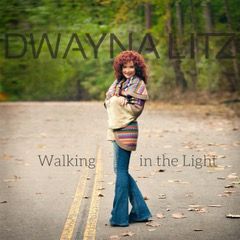
“Walking in the Light” is not a song that seeks attention—it seeks healing. Written by Dwayna Litz for victims of crimes against humanity, survivors of abuse, and their families, the track stands as a quiet but powerful affirmation of dignity, faith, and inner freedom.
Musically, the song is restrained and intentional. Featuring Jon Cobert on piano, the arrangement gives the lyrics room to breathe, allowing emotion to surface naturally rather than through dramatic excess. Litz’s vocal delivery is calm and resolute, carrying a sense of lived experience and conviction that feels earned rather than performed. At its core, “Walking in the Light” is about release—letting go of bitterness, reclaiming self-worth, and choosing peace over resentment. The song leans on spiritual themes of justice, forgiveness, and trust in God’s promise that wrongdoing does not go unseen. Rather than encouraging confrontation or anger, Litz frames happiness, honesty, and self-love as acts of strength. The message echoes Martin Luther King Jr.’s belief that love and forgiveness are lighter burdens than hate, and the song embodies that philosophy with grace.
What makes “Walking in the Light” especially effective is its sincerity. It does not preach or dramatize suffering; instead, it offers reassurance. The lyrics suggest that while we cannot control how others act, we can choose how we live—stepping away from darkness and refusing to let pain define us. As a songwriter known for blending pop, country, rock, jazz, and gospel influences, Dwayna Litz brings all of those elements together here in service of meaning rather than style. The result is a song that feels personal yet universal, grounded in faith but accessible to anyone seeking hope and renewal. “Walking in the Light” succeeds because it prioritizes truth and compassion over spectacle. It’s a song meant to accompany listeners through recovery, not rush them through it. Quiet, steady, and affirming, it stands as one of Litz’s most purpose-driven works—and a reminder that light, once chosen, cannot be taken away.
