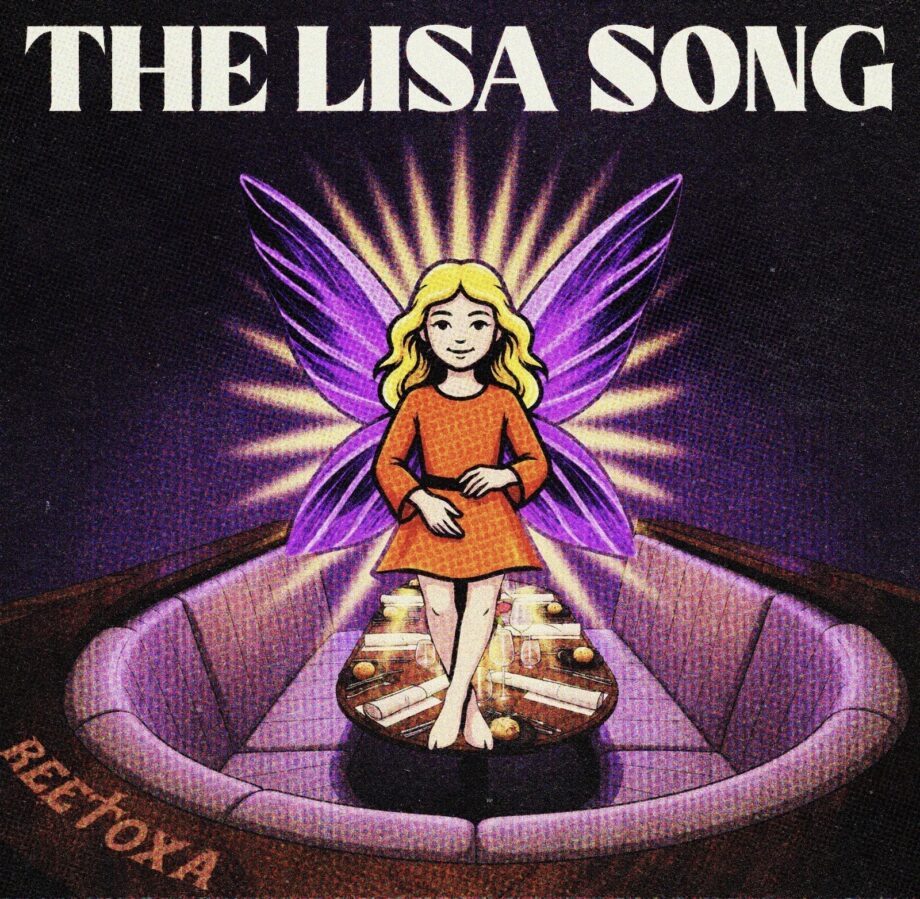
There’s something deeply cinematic about The Lisa Song, the breakthrough single from Melbourne outfit Reetoxa. What could have remained a fleeting moment at a crowded Spiderbait gig instead became the emotional spark that launched Jason McKee’s long-delayed musical journey. The story behind the track feels almost mythological — a missed date, a chance encounter, stage lights creating a halo around a stranger named Lisa, and the sudden realization that years of songwriting needed to become something real. That raw authenticity bleeds through every second of the song, giving it an emotional weight many modern rock releases struggle to capture.
Frontman Jason McKee delivers the track with the urgency of someone chasing a memory before it disappears forever. There’s a restless romanticism in both the lyrics and arrangement, balancing vulnerability with ambition. Rather than leaning into overproduced polish, Reetoxa embraces a more organic sound driven by emotional honesty and classic alternative rock energy. Producer Simon Moro deserves enormous credit for preserving that spontaneity while still allowing the track to feel expansive and powerful. You can hear the years of songwriting experience underneath the immediacy of the performance.
What makes “The Lisa Song” especially compelling is how it acts as the emotional gateway into Reetoxa’s larger double album project, Soliloquy. Built across decades, interrupted by life, lockdowns, obsession, and artistic reinvention, the album already carries enormous emotional mythology. Yet this single remains its beating heart. The song captures the exact second an artist stops dreaming and finally commits to creation, regardless of the cost.

In an era dominated by disposable singles and algorithm-friendly hooks, Reetoxa aims for something far more enduring. “The Lisa Song” is nostalgic, dramatic, vulnerable, and unapologetically human. It invites listeners into Jason McKee’s world of missed chances, artistic obsession, and unfinished conversations. Whether Lisa ever hears the song remains unknown, but her accidental inspiration may have helped create one of Australia’s most fascinating independent rock stories in years.
