
“Children of the War” is a song that reflects on what continues to exist after a conflict has ended; it is set in the period following the American Civil War and considers, beyond armies, battles and declarations of victory, the ordinary people who are left having to carry on with difficulties that do not just vanish when the fighting is over. The song’s main question, what are the children of war? gradually goes beyond a literal generation and implies that anyone whose life has been affected by conflict can end up suffering the war’s consequences.
The sound of the recording is intentionally kept back. It features a tired, raspy male voice accompanied by simple single-note passages on a steel-body resonator guitar, together with restrained percussion and harmonica flourishes, and a small children’s choir contributes another layer to the song’s viewpoint. The flaws form part of the overall texture, with the breaths, string noises, metallic resonance and loose timing all being left as they are. Instead of having an excessively refined feel, the performance has a sense of closeness and tangible presence which matches the subject of the song. There is sufficient space in the arrangement for each image and each phrase to have the impact it deserves.
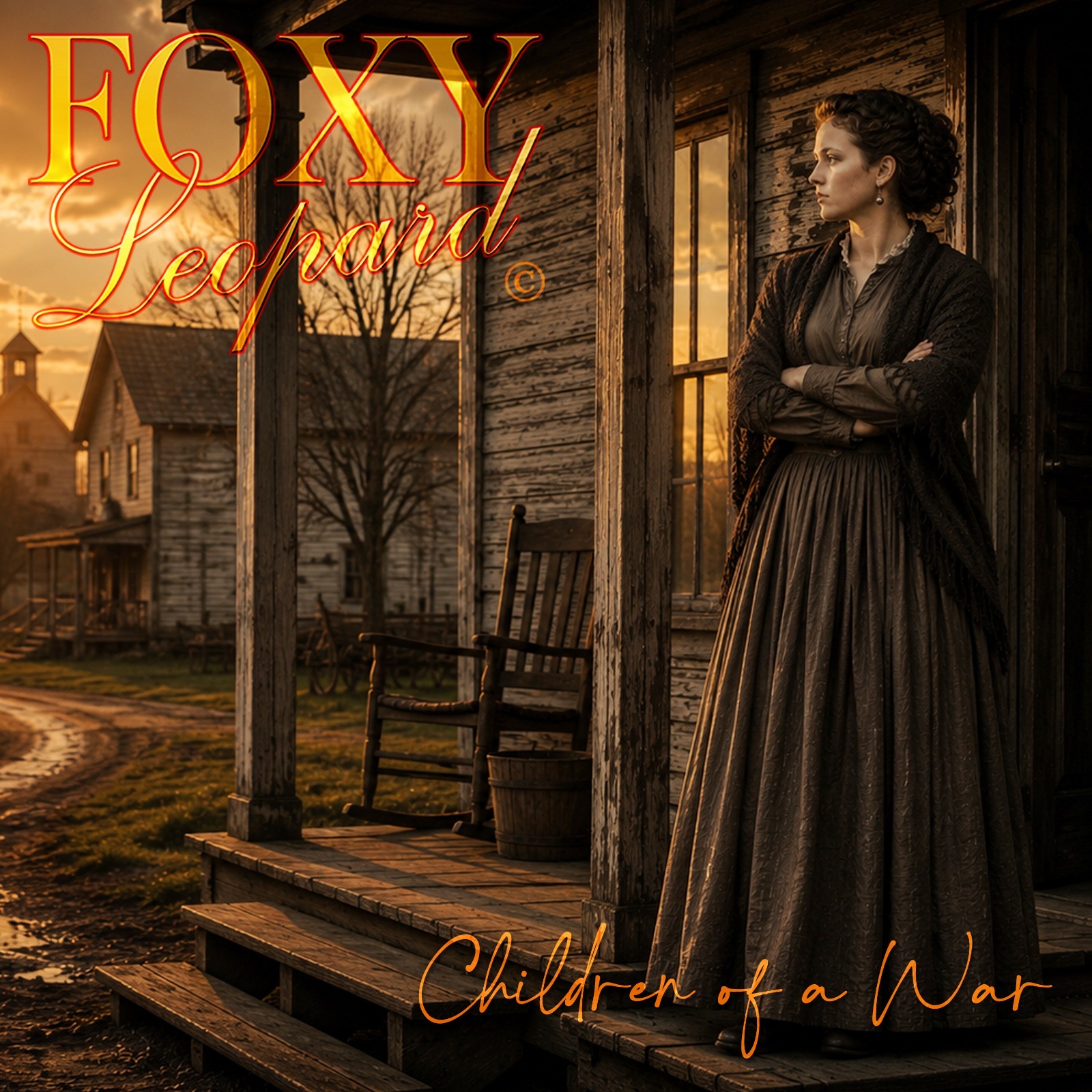
The picture of an old man sleeping by the side of the road at once gives the song a human element; he can’t say what he is still fighting for and so deliberately leaves his struggle without definition. The next verse shows a woman looking after her children with “one less set of helping hands”, showing another effect of violence in terms of absence and responsibility. Then the children come in and make their simple remarks: “Different men / Different roads / Different minds / Different goals”. These remarks cut through the complexity surrounding the adults and lead directly on to the song’s main point: “We’re all the children of a war”.
The final section once again focuses on the old man next to the shop, thus bringing the song back to the image with which it opened. This time, though, it is the children who respond: “Hope we will help him win his war.” Although this is a small change it is significant since there is no dramatic conclusion or statement asserting that his struggle has come to an end; instead, the song ends by calling on people to take notice, to understand and not to pass by those who still bear the burden of what has gone before. “Children of the War” leaves a deep impression about how conflict can persist through absence, memory and across generations long after the fighting has ceased.
