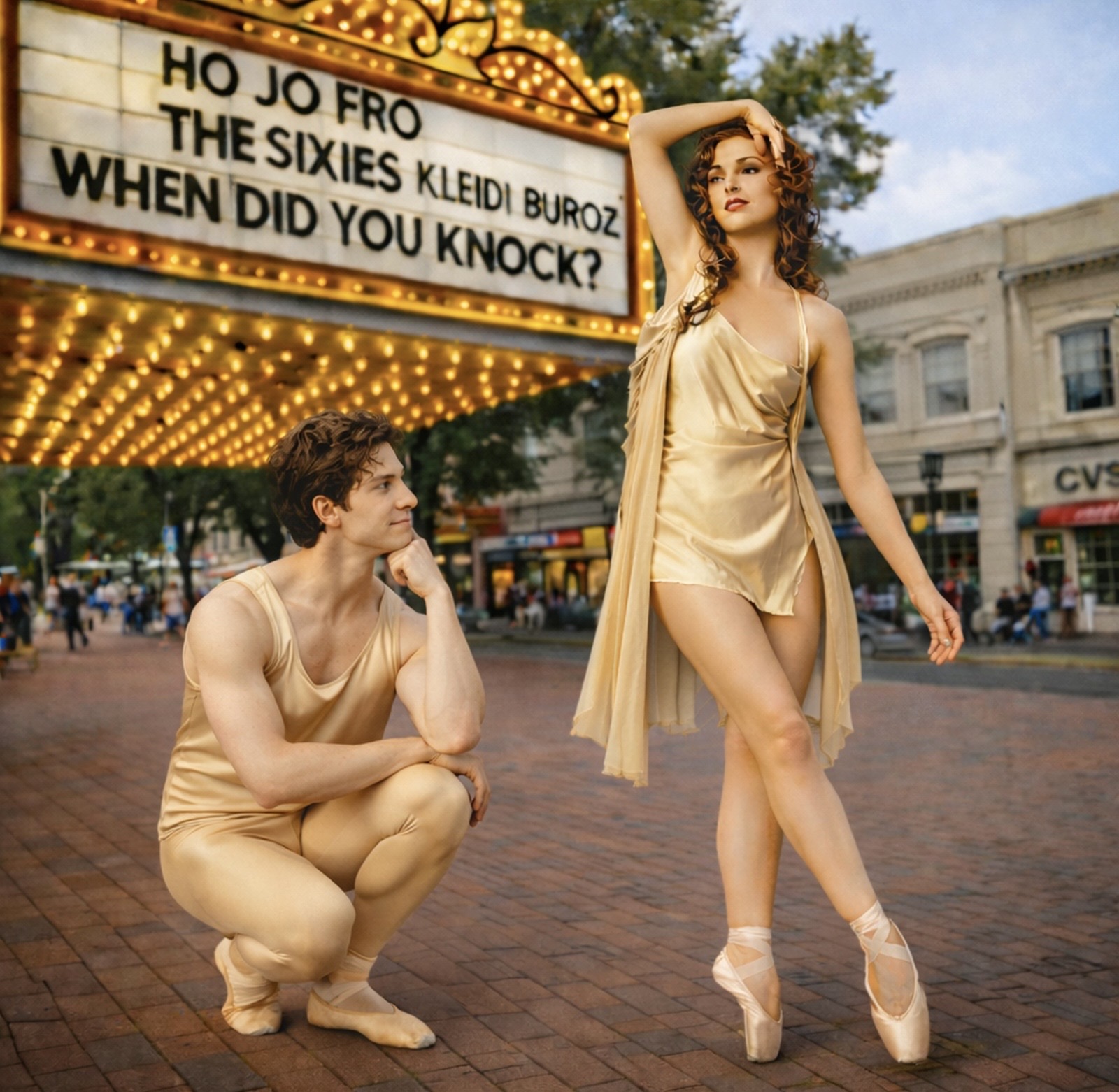

Ho Jo Fro’s “When Did You Knock?” stands as one of those rare independent releases that understands the emotional power of restraint. Instead of filling every second with layered production, Paul Derringer strips the arrangement down to its bare emotional framework, allowing absence itself to become part of the storytelling. The decision to remove drums and bass guitar initially feels unconventional, yet it quickly becomes the song’s greatest strength. The soft knocking rhythms scattered throughout the track create an almost cinematic tension, symbolizing attempts at communication that arrive too late or perhaps go unanswered altogether.
The single dives into the painful complexities of fractured family bonds with remarkable maturity. Derringer never oversells the heartbreak; instead, he delivers it with quiet honesty. The song reflects on distance between siblings, memories that no longer feel reachable, and the confusion that grows when silence replaces connection. There is a lingering ache in lines like, “Do we continue avoidance? Is this our last option?” because they feel painfully real rather than poetically exaggerated. That authenticity gives the song its emotional weight and keeps the listener emotionally invested from beginning to end.
The sparse arrangement leaves room for every contribution to breathe. Brianna Tam delivers a beautifully understated cello performance that acts as both rhythm and emotional anchor, bringing warmth and melancholy into the song’s atmosphere. The cello lines move with a slow-burning elegance that deepens the reflective mood without overpowering it. Backing vocals from Kleidi Buroz add subtle emotional texture, while Tim Ryan helps shape the recording’s intimate sonic landscape through delicate acoustic work and understated engineering choices.

Ho Jo Fro refuses to chase trends or polished commercial formulas, choosing instead to create something deeply human and emotionally exposed. The track feels less like a performance and more like an open letter left unfinished on a table. It is thoughtful, haunting, and quietly devastating in all the right ways, a chamber-pop meditation that proves simplicity can often speak louder than excess.